Kinect Game · Lead Artist · Harmonix
Dance Central
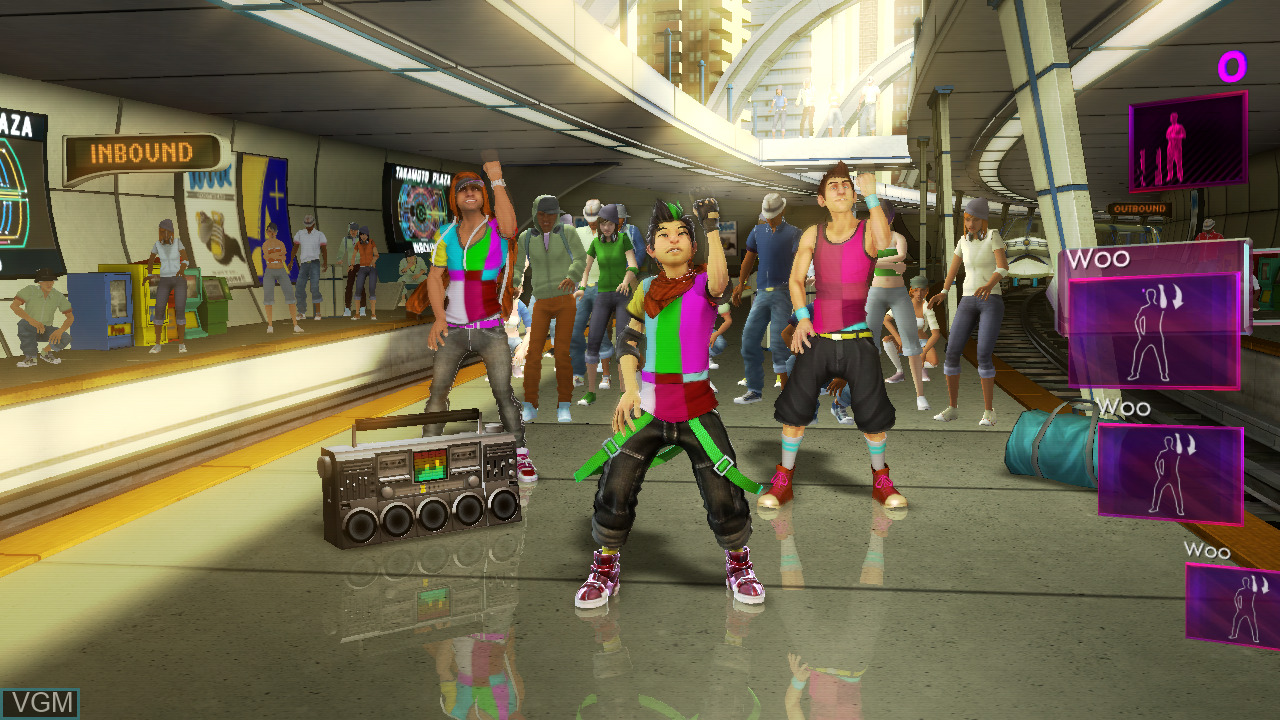
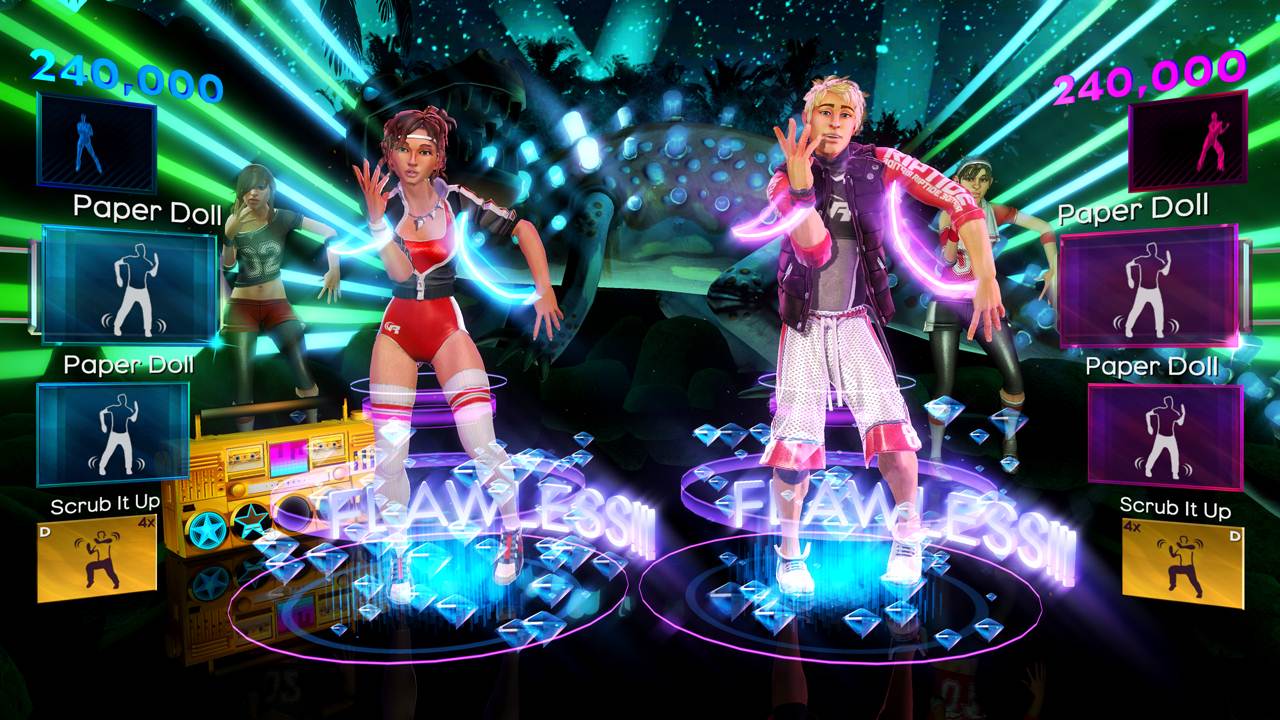
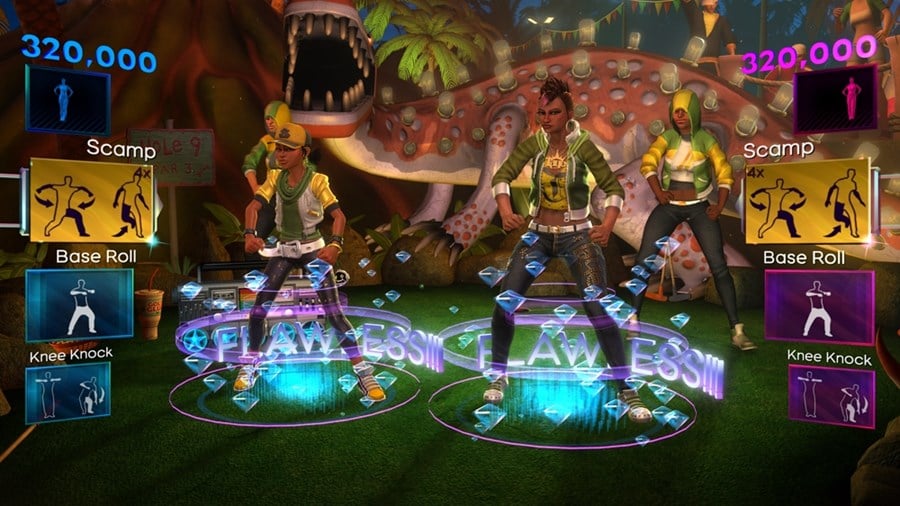
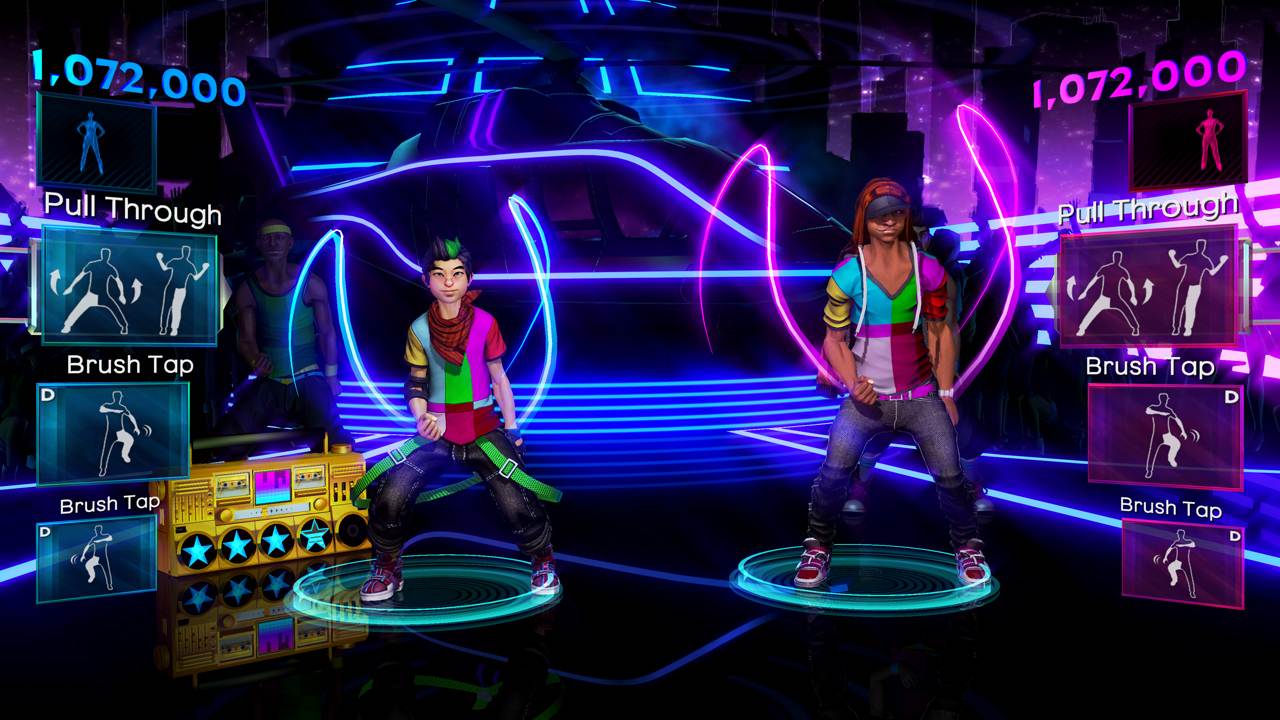
Dance Central 2 was a full-body, motion-controlled dance game built around Kinect, designed to make real dance performance feel readable, expressive, and rewarding. The experience treated characters, stages, animation, UI, and feedback as a single connected system that responded directly to how well players were dancing.
The sequel focused on expanding the sense of momentum and flow, using visual change and interaction feedback to make improvement feel visible rather than abstract.
Dance Central 2 helped define how performance-based gameplay could scale without overwhelming players. Instead of relying on meters, scores, or dense UI, the game communicated success through escalating visual energy. Stages evolved, characters changed appearance, and presentation intensified as players hit peak streaks.
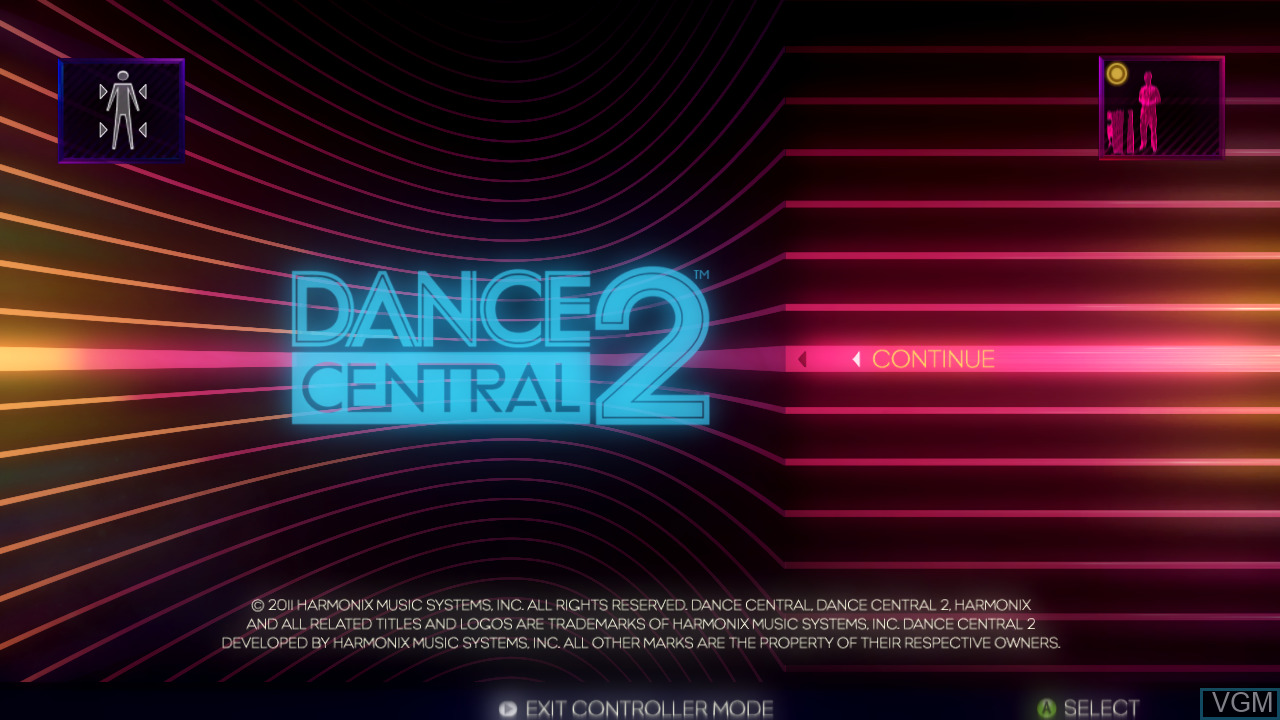
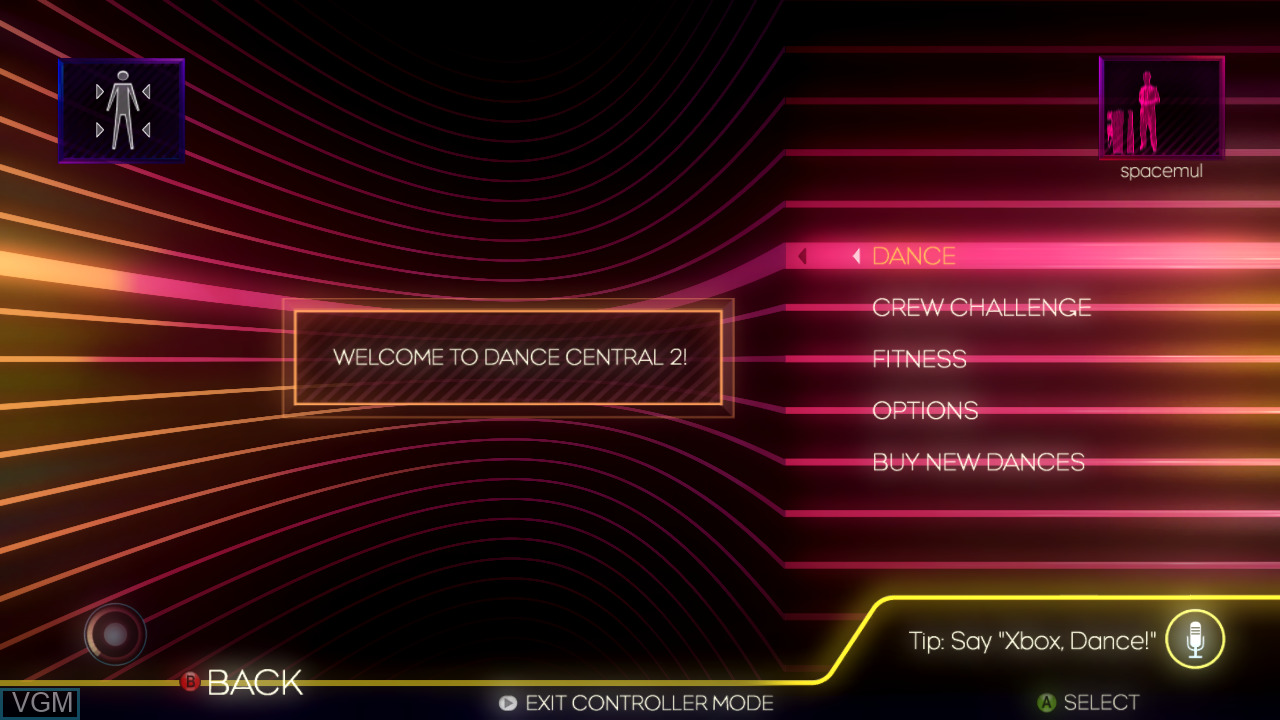
The project also pushed gesture-driven interaction beyond gameplay. Menus and navigation were designed for body-based input, reinforcing the idea that the entire experience, not just the dance floor, was built around motion and presence.
My Role (Dance Central 2)
I led the art team on Dance Central 2, responsible for setting visual direction, aligning disciplines, and ensuring that performance, interaction, and presentation worked together as a cohesive experience.
Rather than focusing on individual assets, my role centered on defining systems, guiding decision-making, and helping the team translate player performance into clear, motivating feedback.
Key leadership contributions included:
- Defining the performance-driven visual language, where peak streaks triggered changes to stages, lighting, effects, and character presentation to reinforce flow and mastery
- Guiding character and outfit evolution systems, ensuring visual escalation felt rewarding without compromising animation readability or player comfort
- Overseeing gesture-driven UI and UX direction, helping shape menu navigation and mode selection that worked naturally with Kinect-based input
- Aligning art, design, animation, and engineering, so choreography readability, camera framing, UI clarity, and motion tracking constraints were addressed together rather than in isolation
- Running critique and playtest reviews, using real player behavior to drive adjustments to pacing, contrast, transitions, and overall clarity
- Mentoring and supporting the team, helping artists navigate a new interaction paradigm while maintaining a consistent visual identity across the game
What I Took Away
Dance Central 2 reinforced the importance of designing systems that scale rather than one-off features. The flashcard and feedback system was built to support modular choreography instead of a strictly linear flow, giving the choreo team flexibility to construct and reconfigure routines while establishing a foundation that made adding new songs far more sustainable for the art team.
That same structure was designed with the intention of eventually becoming a player-facing feature, while also allowing us to ship more content without increasing overhead. We still created new content for the system, but we were building on something solid and repeatable.
We also chose a light narrative and a curated cast of dancers over a character builder. Progressing through the campaign meant interacting in first person with each dancer, learning and improving together from song to song. By carefully crafting each character, we ensured choreography was demonstrated clearly, reinforcing learning and confidence through performance rather than customization.